
Keratoconjunctivitis Sicca (Dry Eye Disease) in Cats and Dogs
Keratoconjunctivitis Sicca (Dry Eye Disease) in Cats and Dogs
Keratoconjunctivitis sicca (KCS), commonly known as “dry eye disease,” is a chronic ocular condition caused by insufficient tear production or poor tear film quality. In cats and dogs, inadequate lubrication of the cornea and conjunctiva can lead to irritation, inflammation, and progressive ocular damage over time.
Although KCS is more commonly diagnosed in dogs, it can also cause significant ocular problems in cats. If left untreated, the disease may progress to severe corneal damage and even permanent vision loss.
What Is Keratoconjunctivitis Sicca?
Under normal conditions, tears form a complex protective layer that lubricates the ocular surface, nourishes the cornea, and helps defend the eye against infections. The tear film consists of three primary layers:
- Lipid layer
- Aqueous layer
- Mucin layer
Deficiency or dysfunction in any of these layers can result in ocular surface dryness. As a consequence, corneal inflammation, irritation, and secondary infections may develop.
Etiology (Causes)
Multiple factors may contribute to the development of KCS. In dogs, the most common cause is immune-mediated destruction of the lacrimal glands, whereas viral infections play a more significant role in cats.
Common causes include:
- Immune-mediated lacrimal gland damage
- Genetic predisposition
- Viral infections
- Especially Feline Herpesvirus-1
- Canine distemper virus
- Diabetes mellitus
- Hypothyroidism
- Cushing’s disease
- Neurological disorders
- Trauma
- Lacrimal gland injury
- Surgical removal of the third eyelid gland
- Certain drug reactions
- Chronic inflammatory conditions
Predisposed Breeds
Certain dog breeds are more predisposed to developing KCS. Brachycephalic (flat-faced) breeds are particularly at risk due to increased exposure of the ocular surface.
Predisposed breeds include:
- Cocker Spaniel
- English Bulldog
- Shih Tzu
- Pug
- West Highland White Terrier
- Lhasa Apso
- Cavalier King Charles Spaniel
- Boston Terrier

In cats, breed predisposition is not as clearly established as in dogs; however, individuals with chronic viral infections may have an increased risk.
Clinical Signs
The severity of clinical signs may vary depending on disease progression. Common symptoms include:
- Dull or cloudy appearance of the eye
- Thick, sticky ocular discharge
- Redness of the eye
- Excessive blinking
- Squinting
- Sensitivity to light
- Pawing at the eyes
- Corneal opacity
- Corneal pigmentation
- Ocular pain and discomfort
- Vision impairment in advanced cases
Cats may conceal clinical signs more effectively, which can delay diagnosis.
Diagnosis
Diagnosis of keratoconjunctivitis sicca is based on clinical findings, patient history, and ophthalmic diagnostic tests. Early diagnosis is essential to prevent progressive corneal damage and long-term vision impairment.
Schirmer Tear Test (STT)
The Schirmer Tear Test is the most commonly used diagnostic method for KCS. This test measures aqueous tear production using a calibrated paper strip placed inside the lower eyelid.
- Normal tear production in dogs is generally greater than 15 mm/min.
- Values below 10 mm/min are suggestive of KCS.
- Severe cases may present with readings below 5 mm/min.
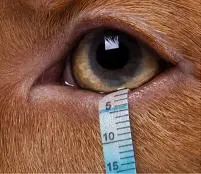
In cats, interpretation can be more variable due to naturally lower tear production compared to dogs.
Fluorescein Staining
Fluorescein Staining is commonly performed to identify corneal ulcerations or epithelial defects that may occur secondary to chronic ocular dryness.
Tear Film Break-Up Time (TFBUT)
This test evaluates tear film stability and helps identify qualitative tear film deficiencies, particularly abnormalities involving the mucin or lipid layers.
Ophthalmic Examination
A complete ophthalmic examination may reveal:
- Conjunctival hyperemia
- Mucoid ocular discharge
- Corneal pigmentation
- Corneal vascularization
- Corneal opacity
- Signs of ocular discomfort

blog list photo
Treatment Options
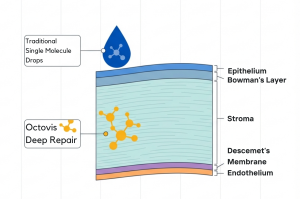
Management of KCS generally requires long-term treatment and regular monitoring. Therapy is typically tailored according to the underlying cause. Artificial tear products help lubricate the ocular surface and reduce irritation. Using an eye drop like Bavesi Octovis with Multi Layer Hyaluronic Acid Complex will help you at this stage. Octovis moisturizes the eye by acting like tears. Its formula, containing 8 types of hyaluronic acid in different molecular sizes, penetrates all layers of the eye, promoting healing. Octovis not only protects the eye against damage caused by dry eyes but also helps healing process in corneal ulcer and erosion, corneal damage diagnosed with Flourescein Staining Test and in post operation care. You can use Octovis during your pet’s treatment process after consulting your veterinarian.

One of the other treatment ways is immunomodulatory therapy. Frequently used in immune-mediated cases. Commonly used agents include; Cyclosporine and Tacrolimus. These medications may help stimulate tear production and reduce immune-mediated gland damage. If there is a situation when secondary bacterial infections or viral etiologies are involved, treatment may include antibiotic and antiviral therapy.
Supportive Eye Care
- Maintaining periocular hygiene
- Regular use of supportive eye care products like Bavesi Octovis Eye Drop.
- Routine veterinary examinations
Potential Complications
Untreated or poorly managed KCS may result in serious complications, including:
- Chronic corneal ulcers
- Corneal pigmentation
- Fibrosis
- Corneal vascularization
- Severe ocular pain
- Permanent vision loss
- Blindness
For this reason, early diagnosis and proper treatment are critically important.
How Can Keratoconjunctivitis Sicca Be Prevented?
Although not every case can be prevented, certain measures may help reduce the risk.
Preventive approaches include:
- Routine veterinary eye examinations
- Early evaluation of ocular redness or discharge
- Increased attention to eye care in brachycephalic breeds
- Keeping the periocular area clean
- Avoiding uncontrolled medication use
- Maintaining regular vaccination schedules against viral diseases
- Monitoring chronic systemic diseases
- Preventing ocular trauma
Conclusion
Keratoconjunctivitis sicca is a chronic ocular disease that can significantly affect the quality of life of both cats and dogs. Early recognition and appropriate management are essential to prevent corneal damage and permanent vision loss.
With regular ophthalmic examinations, proper eye care, and veterinary supervision, the disease can often be successfully managed long-term.